Web Design: Definition and Essential Information
.avif)
.avif)
.avif)
.avif)
I. Web Design: Definition
Web design encompasses all the steps and techniques necessary for creating a successful digital project, whether it's a website or an application. Web design refers to all the elements necessary for creating a quality digital product that is ergonomic, aesthetic, effective, generates traffic, and converts.
In French, web design can also be referred to as "conception web."
Note, it must not be confused with web graphic design. Web graphic design refers to the aesthetic work and purely visual design of a website. It is the work carried out by the designer, from wireframe creation to mock-up styling.
II. Presentation of Web Design and its Key Aspects
A. What is web design?
Web design encompasses all the steps that ensure the success of a digital project. Breaking down the digital project into numerous stages is crucial. Indeed, this allows for adequate attention and care to be given to each stage to ensure the project's success and alignment with the set objectives.
Thus, it is necessary to engage in web design when creating a website or application to guarantee the project's success. In other words, embarking on a digital project without considering web design is the best way to fail.
B. The objectives of web design
The objective of web design is very simple: to ensure the success of the digital project undertaken.
This objective is itself broken down into several goals related to the different aspects and stages of web design. For example, we can consider the main benefits it brings: significant improvement in user experience, search engine optimization, increased website traffic...
C. Keys to Successful Web Design
To achieve successful web design, you need to:
1. Understand the principles and stages of web design (explained below).
2. Have an excellent understanding of the project's needs and objectives.
3. Collaborate and communicate effectively with all stakeholders.
4. Access and utilize the best current skills and tools.
5. Be knowledgeable and up-to-date on web best practices.
III. Different Aspects of Web Design – Before Technical Implementation

A. Project Management
To successfully complete a digital project, it's essential to first ensure excellent oversight. It is therefore crucial to have a dedicated project manager. Depending on the scope of the project, this could be a product manager, product owner, or even a designer.
In addition to organizational and communication skills, the project manager must be able to understand and oversee a number of tasks:
- Defining needs and objectives
- Project planning
- Coordinating various stakeholders (designers, developers, writers...)
- Project monitoring and evaluation
It is therefore essential that the project manager possesses cross-functional technical skills.
These skills will enable them to be effective in their overall vision of the project's progress, as well as during interactions with different teams.
Communicating with designers, developers, and project stakeholders are three very different things. This requires a strong capacity for understanding and adaptation.
B. Visual Design
Once the project is underway, the first major step in web design is the project's visual design. This itself can be broken down into three phases:
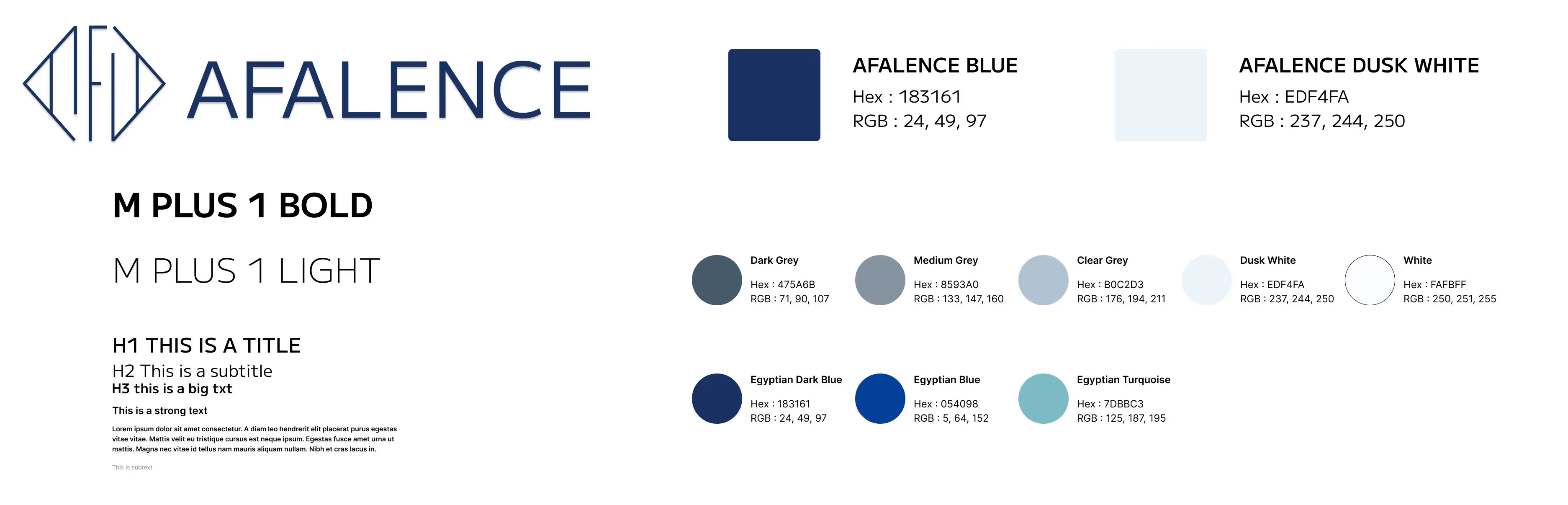
1. Creating a Visual Identity
In some cases, the entire brand guidelines need to be created. Regardless, this step is when the colors, typography, logos, and overall visual framework of the project are defined.
2. Focusing on Usability and User Experience
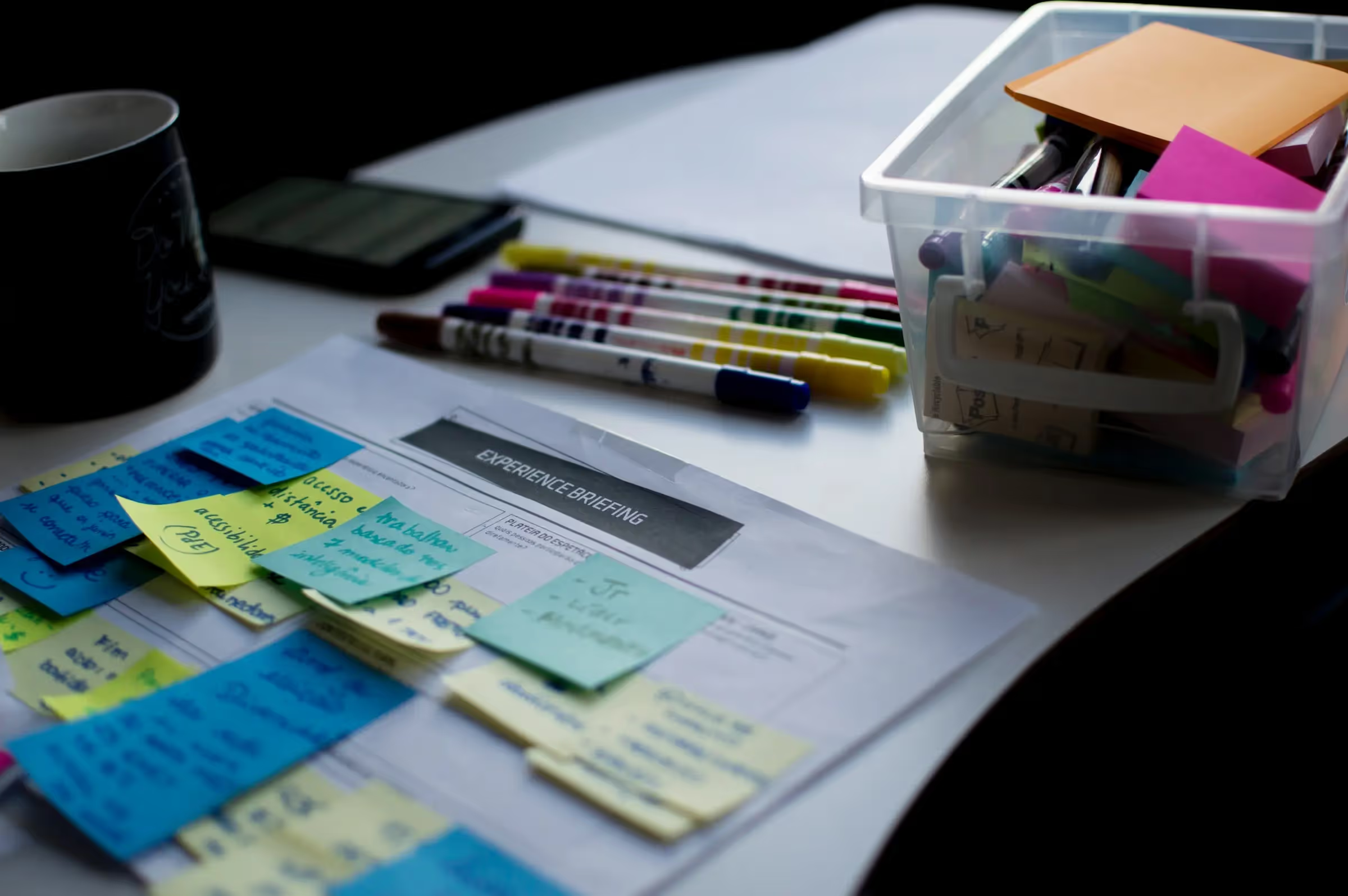
This is a very important step. Its duration varies depending on the complexity of the project. During this stage, numerous workshops help refine and optimize the intended user experience.
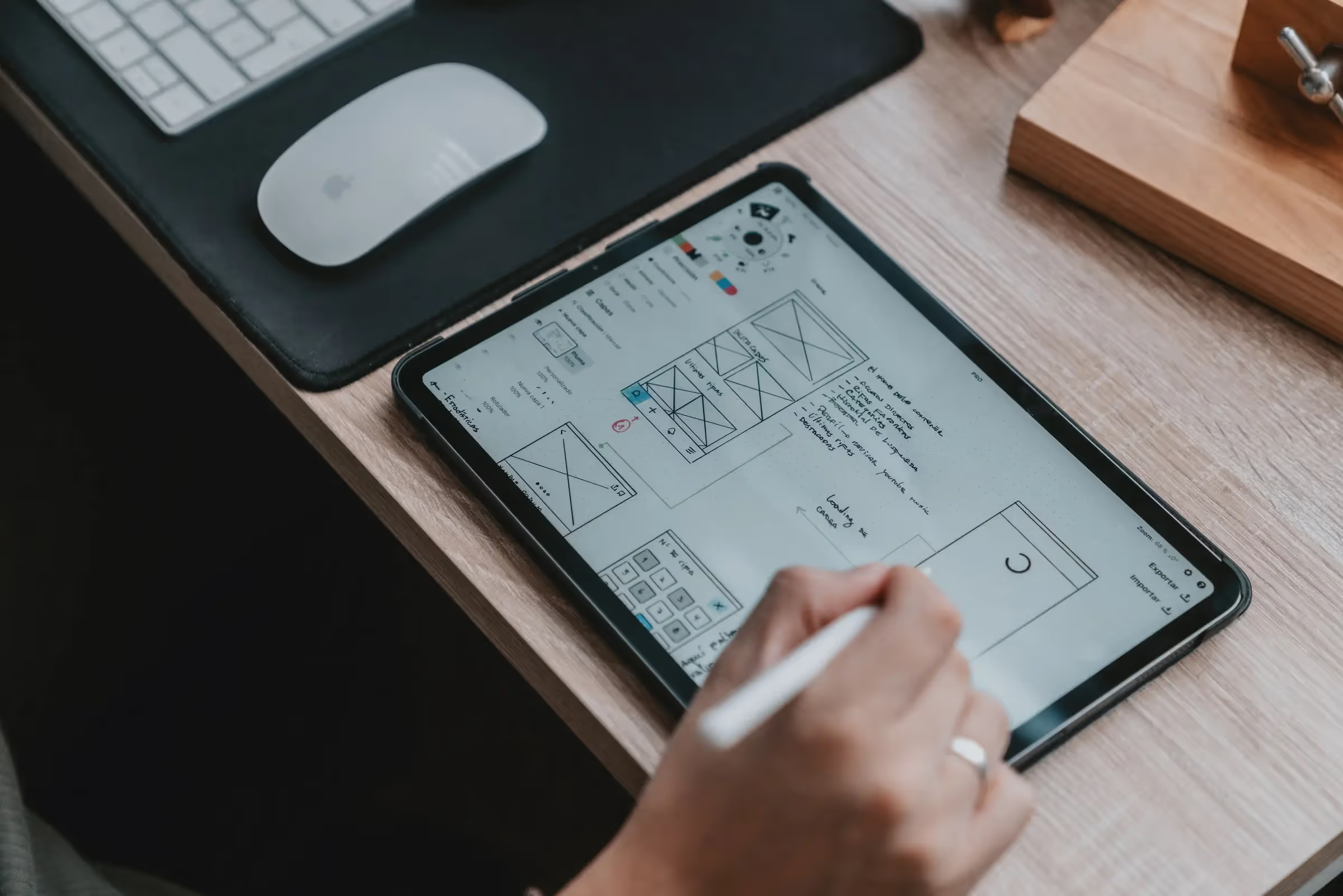
This is when the wireframe is established (the architecture, structure, and hierarchy of the upcoming project).
Various user tests should be conducted to achieve the most refined experience possible.

3. Creating the Mockup
Once the wireframe is validated, the graphic design work can begin. This involves creating the elements specific to the user interface (UI) and skinning the wireframe.
To do this, designers use the visual elements defined during the creation of the visual identity, along with their creativity and UX knowledge, to design the ideal mockup. This serves as a prototype for developers who will bring it to life.
IV. Different Aspects of Web Design – Technical Implementation
A. Challenges Related to Website or Application Development
1. Technical Development
The technical development of a website or application is an integral part of web design. This element simply refers to the stage during which developers code the mock-up created by designers.
To learn more about IT development and its solutions, you can consult our design and development expertise page.
2. The Importance of Responsive Design: Cross-Platform Compatibility
Nowadays, it is essential to pay attention to different screen sizes when building a website or application.
Indeed, users can access your product from various devices (computers of different sizes, tablets, phones, etc.). The product's display must automatically adapt to the size of the screen on which it is viewed.
This is what is known as having a "responsive" website.
3. Visual effects and animations
Over the past few years, websites have become increasingly interactive.
Indeed, it is now possible to add a wide variety of animations and interactions to a website. These make navigation more dynamic.
While users are accustomed to these elements, they can be a double-edged sword:
- Some animations can serve as navigation guides or leave a positive impression on the user.
- Other animations, however, can hinder readability or convey a cluttered image of the website. This negatively impacts the user experience.
Therefore, it's important to be aware of animation trends. Depending on the industry, target audience, or even the size of the website to be developed, some animations should be favored, while others should be avoided.
It is advisable to determine as early as possible which animations and interactions will appear on the website. A good designer indicates the animations directly in their mockup. They include them in their prototype or add appropriate notes to it.

B. The challenges related to the success of the website or application
A successful website is not just functional. A successful website is optimized to generate traffic and convert visitors into customers.
1. Website technical optimization
To be effective, a high-performing site must be technically optimized. To achieve this, numerous development "best practices" must be followed and integrated during its development.
Using no-code development tools often results in naturally optimized websites.
Technical optimization includes:
- improving page loading speed
- image compression
- optimizing the site's internal linking
- protecting website and user data
- protecting against potential digital attacks
These best practices improve user experience and send excellent signals to Google. This increases your site's chances of appearing in users' top search results.
Note: To generate significant, sustainable traffic, it is essential to implement a relevant natural search engine optimization (SEO) strategy. If you'd like to learn more, we have written an article that explains everything you need to know about SEO.
2. User Experience (UX)
It is necessary to pay continuous attention to user experience, even though it was developed and tested from the wireframe and mockup design stages.
Various elements can serve as good indicators of your site's UX performance:
- The bounce rate (percentage of internet users who leave your site without
interacting with it)
- The conversion rate (percentage of internet users who access your
product pages)
- Navigation tests and user tests
- Compatibility tests
- Page depth (number of clicks to access a given page)
Any good SEO agency is concerned with the user experience offered by your website.
A good agency will offer you regular UX audits and provide recommendations to perfect the browsing experience offered by your website.
3. Accessibility challenges
Website accessibility refers to its ability to allow users with disabilities to access all of its content.
Many display standards and rules have been implemented in this regard over the past few years. Here are a few examples:
- Minimum font sizes
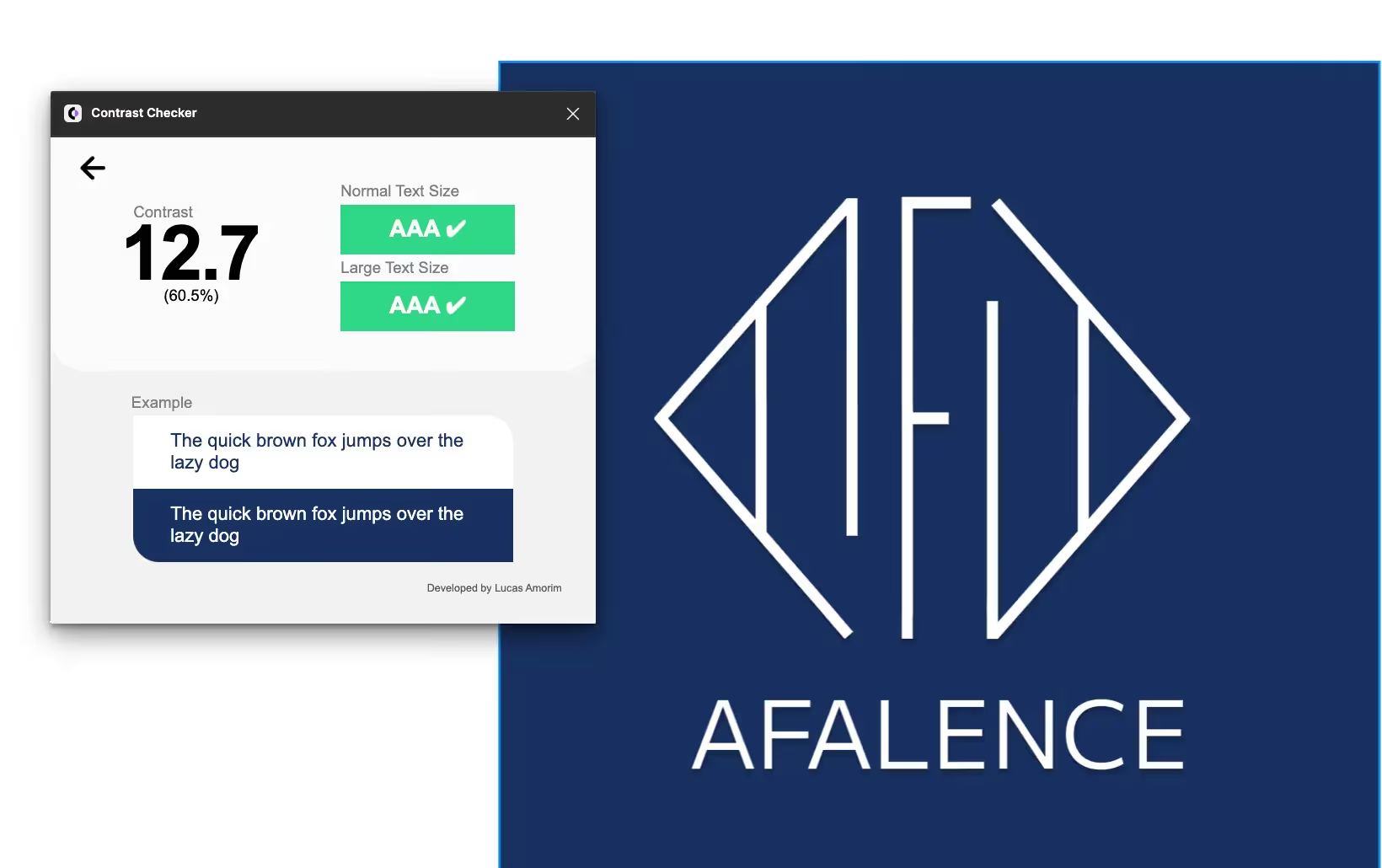
- Contrast between the different colored elements used and the text
- Description and naming of visual elements such as images
or graphics
In addition to being valued by Google's algorithms, these best practices allow you to make your site accessible to all types of audiences.
V. Additional Information Related to Web Design
A. Key Takeaways on Web Design
Web design therefore encompasses all the skills and steps essential for the success of a digital project. From project ideation to the implementation of an organic SEO strategy, every aspect is included and crucial.
To ensure successful web design, it is imperative to engage competent professionals, both for project management and the technical execution of the various tasks.
A good project manager is able to dedicate the necessary time and attention to each stage. This project manager must also be capable of meeting deadlines. Finally, they need to understand the challenges of each team and optimize their cooperation.
For these reasons, it is highly recommended to use a web design agency when creating a digital project.
Indeed, quality digital agencies have all the necessary skills in-house for the success of a digital project. Furthermore, their employees are generally accustomed to working together, which ensures better project tracking and information transfer.
Finally, this allows working with a single partner who also serves as the primary contact for all matters related to our website or application.

B. Frequently Asked Questions
What is a web designer?
A web designer is a person responsible for the design of a digital project. When working alone, it's usually a designer or an expert in a no-code technology (Webflow, Wix, Wordpress…).
Ideally, it's best that the web designer for a project is actually a web design agency.
What is a web design agency?
A web design agency is an agency capable of fully designing a digital project in an optimized way.
This agency will be involved in the creative and visual aspects, then in the technical development, and finally in the online performance of the website.
Why use a web design agency?
A web design agency provides you with all the expertise necessary for the success of a digital project (design, graphic design, development, security, SEO…).
Furthermore, it also has the advantage of having teams that always work together: they are highly complementary and more efficient.
How to do web design?
It is difficult for a single person to have all the skills to do web design. It is preferable to specialize in one of the elements that particularly interests you.
To work on web design projects, attending a design school or joining a web design agency are the best options.
How much does a web design agency cost?
The prices charged by a web design agency are directly related to your project.
A good agency will first assess your needs with you before providing a quote.
Web design agencies charge prices based on their experts' working hours. A complete and personalized project will generally cost you between €3,000 and €30,000.
A more complex project with many features requires more expert work. The costs for this type of very large-scale project can then be significantly higher (hundreds of thousands of euros). Indeed, it may be necessary to engage teams of numerous experts to bring them to life.

You now know what web design is and have an excellent overview of the challenges and activities associated with it.
If you have a project, we invite you to tell us about it to see how we can help! If you're looking for more information on related topics, we've written other articles that might interest you.

See also our other articles
Discutons de vos besoins
Vous cherchez une agence de confiance pour votre projet ? Contactez-nous et découvrez comment nous pouvons vous aider